

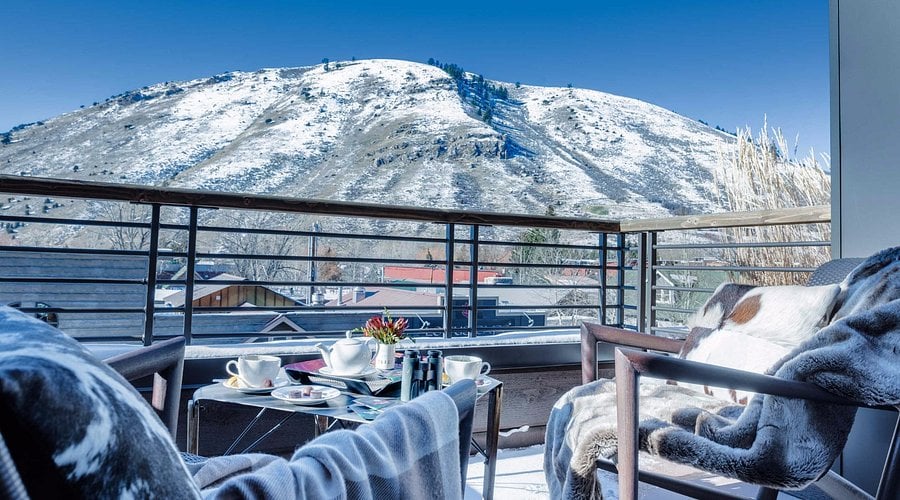
Winter in Jackson Hole can be as active or as unhurried as you want it to be. One day may begin with first tracks at Jackson Hole Mountain Resort; the next might center on wildlife, a quiet snowshoe route, galleries near Town Square, or a long afternoon at the spa.
The key is to plan around the valley rather than treating every experience as though it happens in one place. Downtown Jackson, Teton Village, Snow King Mountain, Grand Teton National Park, and the National Elk Refuge each offer a different side of winter. A well-paced trip combines them without turning every day into a transportation exercise.
This guide covers the best things to do in Jackson Hole in winter, a realistic three-day itinerary, where to stay, what to reserve, and how to leave enough flexibility for mountain weather.
Best things to do in Jackson Hole in winter
1. Ski or snowboard at Jackson Hole Mountain Resort
Jackson Hole Mountain Resort in Teton Village is the valley’s best-known destination for downhill skiing and snowboarding. Its terrain rewards experienced skiers, but lessons and appropriate runs are available for a range of abilities. Reserve lift access, lessons, and equipment early for holiday periods and peak winter weekends.
Guests staying downtown should think about the entire ski day, not only the drive to the mountain. Hotel Jackson offers a complimentary ski shuttle to the resort, removing the need to manage winter driving and parking. Our concierge can also assist with rentals, lessons, and current logistics.
2. Spend a few hours at Snow King Mountain
Snow King rises directly above the Town of Jackson and works well for travelers who want a shorter ski session or an activity close to downtown. Winter offerings vary by conditions and operating schedule, so confirm what is available before building the day around a particular experience.
Its in-town location makes Snow King easy to combine with lunch, shopping, a spa treatment, or dinner near Town Square. It is a useful option when not everyone in the group wants a full day at Teton Village.
3. Join a guided winter wildlife tour
Winter concentrates wildlife at lower elevations and reveals tracks and movement that can be harder to notice in summer. A professional guide adds context, provides appropriate optics, and adjusts the route for current conditions. Elk, moose, bison, coyotes, foxes, and eagles may be seen, but wildlife is never guaranteed.
Animals are conserving energy during winter, so responsible viewing matters. The National Park Service requires visitors to remain at least 100 yards from bears and wolves and 25 yards from other wildlife. Never pressure an animal for a closer photograph. Learn more about winter wildlife experiences in the Tetons.
4. Take a sleigh ride on the National Elk Refuge
The National Elk Refuge borders Jackson and offers one of the valley’s signature winter experiences: horse-drawn sleigh rides among the wintering elk herd. Snowfall and wildlife movement affect each outing, and operating dates vary with conditions.
This is an easy addition to an arrival day or a slower afternoon because it does not require a full day or specialized skill. Dress more warmly than you think you need to; sitting still in an open sleigh feels colder than walking through town.
5. Cross-country ski or snowshoe in Grand Teton National Park
Grand Teton National Park is open in winter, but access is different from summer. The Teton Park Road from the Taggart Lake Trailhead to Signal Mountain Lodge is closed to vehicles from November 1 through April 30 and becomes a corridor for skiing, snowshoeing, and walking when conditions allow. Other seasonal road and wildlife closures also apply.
First-time visitors should consider a guided outing. Winter routes may be unmarked, weather changes quickly, and avalanche terrain requires specific knowledge and equipment. Check the National Park Service winter guide and current conditions before leaving town. Our Jackson Hole snowshoeing guide offers additional planning context.
6. Try dog sledding or a guided snowmobile tour
Dog sledding offers a memorable way to travel through a snow-covered landscape, while guided snowmobile trips can reach terrain that would otherwise require a much longer journey. Both are weather-dependent, and the experience varies considerably by operator, route, and group size.
Ask about transportation, warm gear, physical requirements, cancellation policies, and total time away from the hotel before booking. These outings often fill well in advance. Explore dog sledding, or let the concierge recommend an option suited to your group.
7. Leave time for downtown Jackson
Winter trips are better when every hour is not scheduled. Downtown Jackson offers galleries, independent shops, local makers, restaurants, and the familiar arches of Town Square within a compact area. It is easy to explore between a morning tour and an evening reservation.
Staying downtown also gives a mixed-interest group more independence. One guest can rest or visit the spa while another explores town, without coordinating a vehicle for every change of plan.
8. Make recovery part of the itinerary
Cold weather, elevation, travel, and consecutive ski days can be demanding. Build in a genuine recovery window rather than waiting until the group is exhausted. Hotel Jackson’s 7,000-square-foot spa includes seven private treatment rooms, saunas, fitness facilities, and a movement studio for self-directed stretching, yoga, and personal exercise. Treatments include performance-focused bodywork and Natura Bissé facials.
A rooftop hot-tub reservation, time by the fire, and an unhurried dinner can do as much for the trip as adding another activity.
A realistic three-day Jackson Hole winter itinerary
Day one: Arrive, settle in, and explore downtown
Keep the first day flexible in case winter travel changes your arrival time. Check in, walk through Town Square, visit a few galleries or shops, and choose either a National Elk Refuge sleigh ride or an early spa appointment if the schedule allows. End with dinner at FIGS or Juliette, depending on the experience and hours you prefer.
Day two: Ski at Jackson Hole Mountain Resort
Use the hotel’s ski shuttle for a full day at Teton Village. Reserve rentals and lessons ahead of time, and be honest about the group’s abilities when choosing terrain. Return downtown for a spa treatment, rooftop soak, or quiet evening by the fire.
Day three: Wildlife and Grand Teton winter scenery
Book a guided wildlife tour, cross-country ski outing, or snowshoe experience. Guides can adapt the route to weather, road access, and recent wildlife activity. Keep the evening open so the group can decide between a relaxed dinner, another walk through town, or an early night.
With four or five days, add a second ski day, dog sledding, snowmobiling, or a full unscheduled day. The extra space is valuable when weather changes the original plan.
Should you stay in downtown Jackson or Teton Village in winter?
Choose Teton Village when the trip is primarily about maximizing time at Jackson Hole Mountain Resort and immediate lift access is the overriding priority.
Choose downtown Jackson when the trip includes skiing plus wildlife, dining, shopping, Snow King, the National Elk Refuge, and non-ski days. Downtown is also well suited to groups with different interests because restaurants, shops, galleries, and services are walkable.
Neither choice is universally better. The right location depends on how the trip will actually be spent. Our Jackson Hole area guide explains the tradeoffs among downtown, Teton Village, the West Bank, park-area lodging, and guest ranches.
Why Hotel Jackson works for a winter trip
Hotel Jackson is located steps from Town Square, creating a downtown base that does not require choosing between mountain days and evenings in town. Guests can walk to restaurants and galleries, take the complimentary shuttle to Jackson Hole Mountain Resort, and work with the concierge on wildlife tours, equipment, and seasonal activities.
Rooms and suites provide a calm return point after active days, with spa-inspired bathrooms and fireplaces in many accommodations. On-site dining, the spa, fitness facilities, and rooftop hot tub make it possible to recover without adding another transfer to the day.
The value is not simply a list of amenities. It is the ability to change pace easily: an early ski departure, an afternoon treatment, dinner downstairs, or a short walk through town can all work within the same stay.
Jackson Hole winter planning advice
- Reserve the anchors first. Secure lodging, lift access, lessons, wildlife guides, and high-priority dining or spa appointments before filling smaller gaps.
- Keep one flexible half-day. Weather and road conditions can change quickly, and flexibility makes it easier to move an outdoor plan.
- Check current conditions. Review resort operations, National Park Service alerts, and Wyoming road information before longer drives.
- Use layers. A warm vehicle, an exposed sleigh ride, an active ski day, and an evening walk require different combinations. Our Jackson Hole packing guide provides a complete list.
- Do not assume every summer road is open. Grand Teton and Yellowstone access changes substantially in winter. Yellowstone’s South Entrance is not open to ordinary vehicle traffic during the winter season.
- Ask what is included. For guided activities, confirm transportation, clothing, equipment, food, gratuities, and cancellation terms.
- Plan for altitude and hydration. Begin more gently than you might at home, drink water, and allow time for rest.
Hotel Jackson’s concierge team can help turn a wish list into a realistic itinerary based on the season, the group’s interests, and current operating conditions.
Frequently asked questions
How many days should I spend in Jackson Hole in winter?
Three days provide enough time for one major mountain day, one wildlife or park experience, and time in downtown Jackson. Four or five days allow a second ski day and more flexibility for weather.
Do I need a car in Jackson Hole during winter?
Not necessarily. Travelers staying downtown can walk to restaurants and shops, use Hotel Jackson’s ski shuttle, and book guided tours with transportation. A rental car adds flexibility, but drivers should be comfortable with snow and ice and check conditions before every longer trip.
Is Grand Teton National Park open in winter?
Yes, but access and services are limited. The main highway through the park is plowed, while several scenic roads close to vehicles. The Teton Park Road from Taggart Lake Trailhead to Signal Mountain Lodge is closed to vehicles from November 1 through April 30 and is used for non-motorized winter recreation when conditions allow.
What can non-skiers do in Jackson Hole in winter?
Winter wildlife tours, National Elk Refuge sleigh rides, snowshoeing, cross-country skiing, dog sledding, guided snowmobile trips, galleries, shopping, dining, spa treatments, and scenic photography all work well for non-skiers.
How far is downtown Jackson from Jackson Hole Mountain Resort?
Jackson Hole Mountain Resort is in Teton Village, roughly 12 miles from downtown Jackson. Driving time is often around 25 to 35 minutes but varies with snow, traffic, and road conditions. Hotel Jackson provides a complimentary ski shuttle for guests.
When should I reserve a Jackson Hole winter trip?
Book holiday periods and peak ski weeks as early as possible. Lodging, lessons, guides, spa appointments, and popular restaurants can fill well in advance. Quieter winter dates may allow more flexibility, but weather-dependent activities should still be planned ahead.
What is the best area to stay in Jackson Hole during winter?
Teton Village is best for travelers focused almost entirely on lift access. Downtown Jackson is better suited to a varied itinerary combining skiing, wildlife, dining, shopping, Snow King, and the National Elk Refuge. Hotel Jackson offers a downtown location with complimentary transportation to Jackson Hole Mountain Resort.


 (307) 733-0004