

Grand Teton National Park begins just north of Jackson, but a good visit still requires more planning than pointing the car toward the mountains. The park covers a large area, roads and facilities change with the season, wildlife can reshape the day’s route, and the most popular trailheads fill early.
Staying in downtown Jackson creates a useful balance. You can reach the park’s southern entrance in roughly 20 minutes in normal conditions, begin before the busiest part of the day, and return to a wider choice of restaurants, galleries, and services in the evening. It also allows you to combine national park days with the rest of Jackson Hole rather than changing hotels for every part of the trip.
This guide offers a flexible framework for planning Grand Teton National Park from Jackson, including when to go, how many days to allow, what to reserve, and how to decide between a self-guided day and a private tour.
Know before you go
Grand Teton National Park is open year-round, but access is highly seasonal. Most roads and visitor services operate during the warmer months, while some park roads, campgrounds, lodging, and facilities close or reduce hours from late fall through spring. Conditions and construction can also change travel times.
Before each park day, check the National Park Service pages for current conditions and alerts, road status, and seasonal operating dates.
- An entrance pass is required, but Grand Teton does not currently require a timed-entry or vehicle reservation.
- Summer is the busiest season. Start early and keep an alternate trail, picnic area, or scenic stop in mind.
- Cell coverage is limited in parts of the park. Download maps and essential information before leaving town.
- Weather changes quickly at elevation. Bring layers, water, sun protection, and rain protection even on clear mornings.
- Never approach or feed wildlife. The National Park Service requires visitors to remain at least 100 yards from bears and wolves and 25 yards from all other wildlife.
How many days do you need in Grand Teton National Park?
One well-planned day can introduce you to the park’s southern highlights and classic views. Two days allow time for a meaningful hike, lake experience, or guided wildlife outing without rushing. Three days create the most satisfying first visit because weather, wildlife, and energy can determine which plan makes sense each morning.
If Grand Teton is one part of a broader Jackson Hole vacation, a downtown base makes it easy to alternate park days with rafting, skiing, spa time, shopping, or a slower day in town.
A flexible three-day Grand Teton itinerary from Jackson
Day one: Moose, Antelope Flats, and the southern park
Begin with the park’s southern corridor. The Craig Thomas Discovery and Visitor Center in Moose is a useful first stop when it is open, with current information, exhibits, maps, and rangers who can help refine the day.
From Moose, shape a scenic loop around the day’s conditions. Antelope Flats and Mormon Row offer broad views and a strong sense of the valley’s ranching history. Turnouts along the main park roads provide changing perspectives of the Teton Range, while the Snake River corridor can be productive for scenery and wildlife.
Keep the first day deliberately flexible. Wildlife sightings can slow traffic, construction may change the route, and the best stop is sometimes the one you did not plan. A private guide is especially valuable here because local naturalists understand animal behavior, seasonal movement, safe viewing, and how to adjust around crowds.
Day two: Jenny Lake and a hike
Jenny Lake is one of the park’s most popular areas for good reason. Mountain views, lakeshore paths, boat access, and trails ranging from short walks to demanding hikes all begin here. Arrive early in peak season because parking fills quickly.
The Jenny Lake boat shuttle operates seasonally and can shorten the approach to trails on the west side of the lake. Operating dates depend on conditions, so confirm the current schedule before building the day around it.
Choose a route suited to the least experienced person in the group, and turn around before weather or fatigue becomes a problem. Trail conditions, snow, heat, elevation, and construction can all affect difficulty. For current guidance, consult the National Park Service or a local professional rather than relying solely on an old itinerary found online.
After the hike, return to Jackson for dinner and an unhurried evening. This is where a downtown hotel proves useful: the group can rest, dine, or explore without another drive.
Day three: the northern park or a guided wildlife morning
Use the third day for the part of the park that best matches the season. In warmer months, that may mean continuing north toward Oxbow Bend, Jackson Lake, Signal Mountain, or Colter Bay, depending on road and facility openings. In cooler seasons, it may be better to focus on accessible southern routes and wildlife habitat.
A dawn or early-morning wildlife tour is an excellent alternative to another self-guided drive. Guides provide optics, field knowledge, and a plan informed by current conditions. They also allow everyone in the group to watch the landscape rather than assigning one person to drive.
If the first two days were active, the final day does not need to be ambitious. A scenic drive, picnic, short walk, and time observing the valley can be more rewarding than checking off another long list.
Should you drive yourself or book a guide?
A self-guided visit works well when:
- You value a flexible schedule and are comfortable navigating mountain roads.
- You want to choose your own hiking pace and stops.
- You have downloaded current maps and checked road conditions.
- You understand wildlife-viewing rules and are prepared to change plans.
A guided tour is especially useful when:
- Wildlife is a primary reason for the trip.
- This is your first visit and time is limited.
- You prefer not to drive before sunrise, in winter, or through construction.
- You want high-quality binoculars or spotting scopes and a naturalist’s interpretation.
- Your group has different interests and needs a thoughtfully paced day.
Hotel Jackson’s concierge team can help compare private and small-group options, coordinate transportation, and build a day around your interests rather than a generic checklist.
When is the best time to visit Grand Teton National Park?
Late spring and early summer
Valley trails and services begin opening as snow recedes, but higher elevations can remain wintry. Wildlife activity can be excellent, and weather is variable. Confirm road, trail, and facility status before setting out.
Mid- to late summer
This is the most dependable period for broad road and trail access, lake activities, and longer hiking days. It is also the busiest. Early starts, advance lodging reservations, and flexible backup plans are important.
Fall
Cooler temperatures, changing foliage, and wildlife activity make fall compelling. Services gradually close and weather can change quickly, so check operating dates closely.
Winter
The park becomes quieter and more limited. Main highways remain important travel corridors, but several scenic roads close to vehicles and many visitor facilities are unavailable. Winter wildlife tours, snowshoeing, and cross-country skiing can be exceptional with the right preparation and professional guidance.
Where should you stay for a Grand Teton trip?
Staying inside or near the park is ideal when the entire trip revolves around sunrise photography, trail access, or immersion in the landscape. These properties are often seasonal and have fewer nearby dining and evening options.
Downtown Jackson is a more versatile base when the trip includes the national park plus other parts of Jackson Hole. Guests can walk to restaurants and shops, use a concierge to coordinate guides, and return to full hotel services after a day outdoors.
For a detailed comparison of downtown, Teton Village, the West Bank, and park-area lodging, read our Jackson Hole area guide.
Why Hotel Jackson works as a Grand Teton base
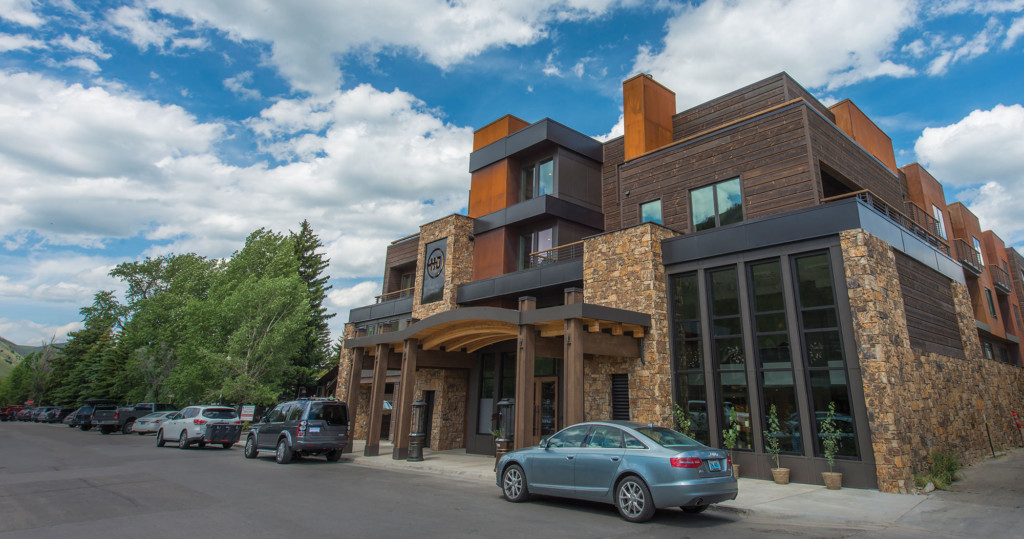
Hotel Jackson is located near Town Square and offers a calm, locally rooted return point after the park. Guests can begin with an early departure, rely on the concierge for guides and current logistics, and end the day with dining at FIGS or Juliette, a treatment at the 7,000-square-foot spa, or a walk through downtown.
The hotel’s rooms and suites provide fireplaces, thoughtful storage, and restorative spaces suited to active days. More importantly, the experience remains flexible: the park can be central to the trip without being the only thing you see.
Frequently asked questions
How far is Grand Teton National Park from downtown Jackson?
The park’s southern entrance near Moose can often be reached from downtown Jackson in roughly 20 minutes in normal conditions. Traffic, construction, weather, and wildlife activity can increase travel time, so check conditions and leave extra time.
Do I need a reservation to enter Grand Teton National Park?
Grand Teton National Park does not currently require a timed-entry or vehicle reservation, but an entrance pass is required. Lodging, campgrounds, boat trips, and certain permitted activities may require separate reservations.
Can I visit Grand Teton National Park without a car?
A guided tour is the simplest option for most visitors without a car. It provides transportation, local interpretation, and an itinerary adjusted to conditions. Hotel Jackson’s concierge can help arrange private or small-group outings.
Is one day enough for Grand Teton National Park?
One day is enough for an introduction to the southern park and several scenic stops. Two or three days allow time for a hike, lake experience, wildlife tour, and changes caused by weather or road conditions.
What time should I enter Grand Teton National Park?
Start early during the busy summer season, especially when visiting Jenny Lake or a popular trailhead. Early mornings can also be productive for wildlife, but animals are unpredictable and safe viewing distances always apply.
Is Grand Teton National Park open in winter?
The park is open year-round, but many roads, facilities, campgrounds, and services close or reduce operations in winter. Check current conditions and seasonal road information before visiting.
Should I stay in the park or in downtown Jackson?
Stay near the park when early trail access and immersion are the trip’s primary goals. Stay downtown when you want to combine the park with restaurants, galleries, shopping, spa time, and activities elsewhere in Jackson Hole.


 (307) 733-0004